
If you are suffering from tenderness, pain, or stiffness in the joints of your feet or ankles, call us to schedule an appointment.
If you are suffering from tenderness, pain, or stiffness in the joints of your feet or ankles, call us to schedule an appointment.
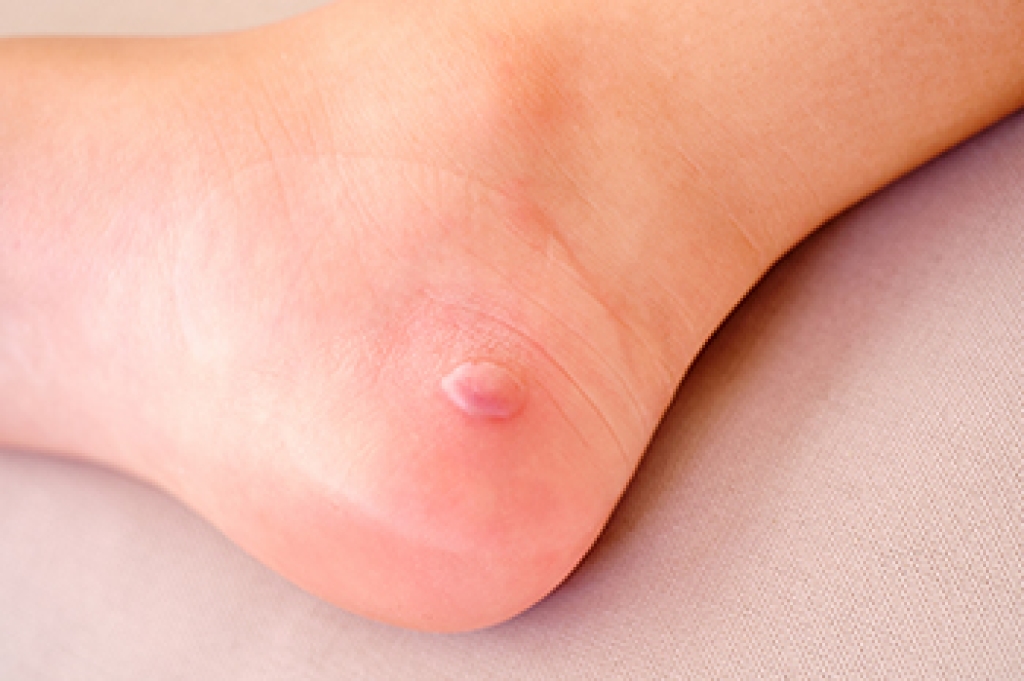
Foot blisters are fluid filled sacs that form when friction, pressure, and heat damage the outer layers of skin. They commonly develop from wearing tight boots or shoes that rub against the foot during walking or prolonged standing. Excess moisture from sweating can soften the skin, making it more vulnerable to friction and blister formation. Dirty feet may increase irritation and allow bacteria to weaken the skin barrier. Additionally, excess heat from activity or poorly ventilated footwear can further aggravate the skin and contribute to blister development. Symptoms often include redness, pain, swelling, and a pocket of clear fluid that makes walking uncomfortable. A podiatrist can help by safely treating blisters, preventing infection, and recommending proper footwear and hygiene practices. Guidance on moisture control and skin protection can reduce future problems. If foot blisters are affecting comfort or mobility, it is suggested that you schedule a podiatry appointment for professional care and effective prevention tips.
Blisters may appear as a single bubble or in a cluster. They can cause a lot of pain and may be filled with pus, blood, or watery serum. If your feet are hurting, contact Paul Potach, DPM of Illinois . Our practitioner can provide the care you need to keep you pain-free and on your feet.
Foot Blisters
Foot blisters are often the result of friction. This happens due to the constant rubbing from shoes, which can lead to pain.
What Are Foot Blisters?
A foot blister is a small fluid-filled pocket that forms on the upper-most layer of the skin. Blisters are filled with clear fluid and can lead to blood drainage or pus if the area becomes infected.
Symptoms
(Blister symptoms may vary depending on what is causing them)
Prevention & Treatment
In order to prevent blisters, you should be sure to wear comfortable shoes with socks that cushion your feet and absorb sweat. Breaking a blister open may increase your chances of developing an infection. However, if your blister breaks, you should wash the area with soap and water immediately and then apply a bandage to the affected area. If your blisters cause severe pain it is important that you call your podiatrist right away.
If you have any questions, please feel free to contact our offices located in Wheeling and Berwyn, IL . We offer the newest diagnostic and treatment technologies for all your foot care needs.

Foot and ankle problems like fractures, diabetes related changes, and gout can affect daily comfort and stability. A fracture may cause sudden swelling, bruising, and sharp pain while bearing weight, and the area may look misshapen or severely tender. Diabetes can lead to reduced sensation, dry skin, slow-healing wounds, and swelling that may feel heavy or numb. Symptoms of gout include intense redness, warmth, and throbbing pain, usually in the big toe, and the affected joint may look shiny or swollen. These conditions may feel limiting, stressful, or unpredictable, especially when movement increases discomfort. A podiatrist can begin by performing a full examination, ordering imaging or lab tests when needed, and identifying the underlying cause of symptoms. Treatment may include fracture stabilization, wound care, footwear recommendations, or long-term management strategies to prevent complications. Because early professional care protects foot health and supports safe recovery, it is suggested that you schedule an appointment with a podiatrist for appropriate treatment solutions.
Foot Pain
Foot pain can be extremely painful and debilitating. If you have a foot pain, consult with Paul Potach, DPM from Illinois . Our practitioner will assess your condition and provide you with quality foot and ankle treatment.
Causes
Foot pain is a very broad condition that could be caused by one or more ailments. The most common include:
Diagnosis
To figure out the cause of foot pain, podiatrists utilize several different methods. This can range from simple visual inspections and sensation tests to X-rays and MRI scans. Prior medical history, family medical history, and any recent physical traumatic events will all be taken into consideration for a proper diagnosis.
Treatment
Treatment depends upon the cause of the foot pain. Whether it is resting, staying off the foot, or having surgery; podiatrists have a number of treatment options available for foot pain.
If you have any questions, please feel free to contact our offices located in Wheeling and Berwyn, IL . We offer the newest diagnostic and treatment technologies for all your foot care needs.

Ankle osteoarthritis develops when the joint wears down, often years after an earlier ankle injury. Damage from a past sprain or fracture can change how the ankle moves and put more pressure on the joint’s thin layer of cartilage. This can lead to swelling, stiffness, and pain that sometimes spreads into the middle or back of the foot. People may also notice grinding or popping when they point or flex their toes. In addition, the ankle can feel less flexible when walking, especially when wearing flip-flops. Extra body weight and repeated hard impact on the feet put more strain on the ankle and increase discomfort. A podiatrist can examine the ankle joint and order imaging to check the cartilage and ligaments to determine a course of treatment. Options include bracing and inserts for support or surgery when the damage is severe. If you have symptoms of osteoarthritis in the ankles, it is suggested that you make an appointment with a podiatrist for a diagnosis and treatment.
Arthritis can be a difficult condition to live with. If you are seeking treatment, contact Paul Potach, DPM from Illinois . Our practitioner can provide the care you need to keep you pain-free and on your feet.
Arthritic Foot Care
Arthritis is a joint disorder that involves the inflammation of different joints in your body, such as those in your feet. Arthritis is often caused by a degenerative joint disease and causes mild to severe pain in all affected areas. In addition to this, swelling and stiffness in the affected joints can also be a common symptom of arthritis.
In many cases, wearing ill-fitting shoes can worsen the effects and pain of arthritis. Wearing shoes that have a lower heel and extra room can help your feet feel more comfortable. In cases of rheumatoid arthritis, the arch in your foot may become problematic. Buying shoes with proper arch support that contour to your feet can help immensely.
Alleviating Arthritic Pain
It is best to see your doctor for the treatment that is right for your needs and symptoms. Conditions vary, and a podiatrist can help you determine the right method of care for your feet.
If you have any questions please feel free to contact our offices located in Wheeling and Berwyn, IL . We offer the newest diagnostic tools and technology to treat your foot and ankle needs.
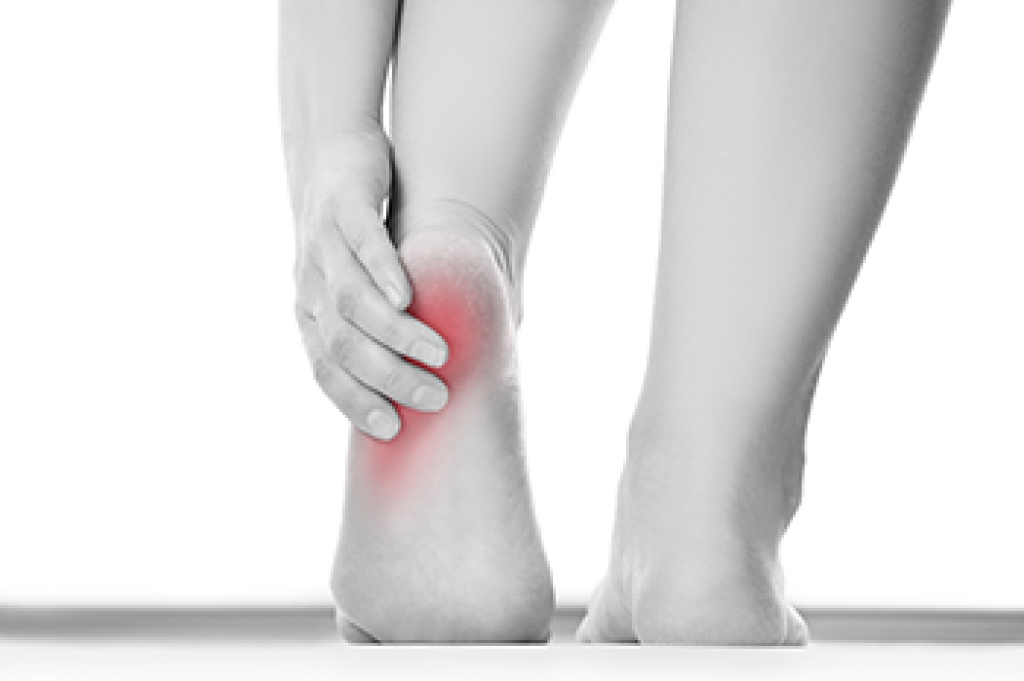
Plantar fasciitis is a foot condition that affects many middle-aged women due to hormonal changes, reduced elasticity in connective tissues, increased activity levels, and footwear that does not offer adequate support. Symptoms often include sharp heel pain when taking the first steps in the morning, tenderness along the bottom of the foot, and stiffness that may worsen after long periods of standing. The condition may appear as mild swelling near the heel and feel like a persistent ache or a sudden stabbing sensation. Causes include overuse, improper shoe choices, weight gain, or biomechanical issues, such as flat feet or high arches. A podiatrist can provide an early and accurate diagnosis through physical examination and imaging, followed by treatments that include custom orthotics, stretching plans, footwear guidance, and advanced procedures when necessary. If you are dealing with this type of heel pain, it is suggested that you make an appointment with a podiatrist.
Many people suffer from bouts of heel pain. For more information, contact Paul Potach, DPM of Illinois . Our practitioner can provide the care you need to keep you pain-free and on your feet.
Causes of Heel Pain
Heel pain is often associated with plantar fasciitis. The plantar fascia is a band of tissues that extends along the bottom of the foot. A rip or tear in this ligament can cause inflammation of the tissue.
Achilles tendonitis is another cause of heel pain. Inflammation of the Achilles tendon will cause pain from fractures and muscle tearing. Lack of flexibility is also another symptom.
Heel spurs are another cause of pain. When the tissues of the plantar fascia undergo a great deal of stress, it can lead to ligament separation from the heel bone, causing heel spurs.
Why Might Heel Pain Occur?
Treatments
Heel pain should be treated as soon as possible for immediate results. Keeping your feet in a stress-free environment will help. If you suffer from Achilles tendonitis or plantar fasciitis, applying ice will reduce the swelling. Stretching before an exercise like running will help the muscles. Using all these tips will help make heel pain a condition of the past.
If you have any questions, please feel free to contact our offices located in Wheeling and Berwyn, IL . We offer the newest diagnostic and treatment technologies for all your foot care needs.
Connect With Us

