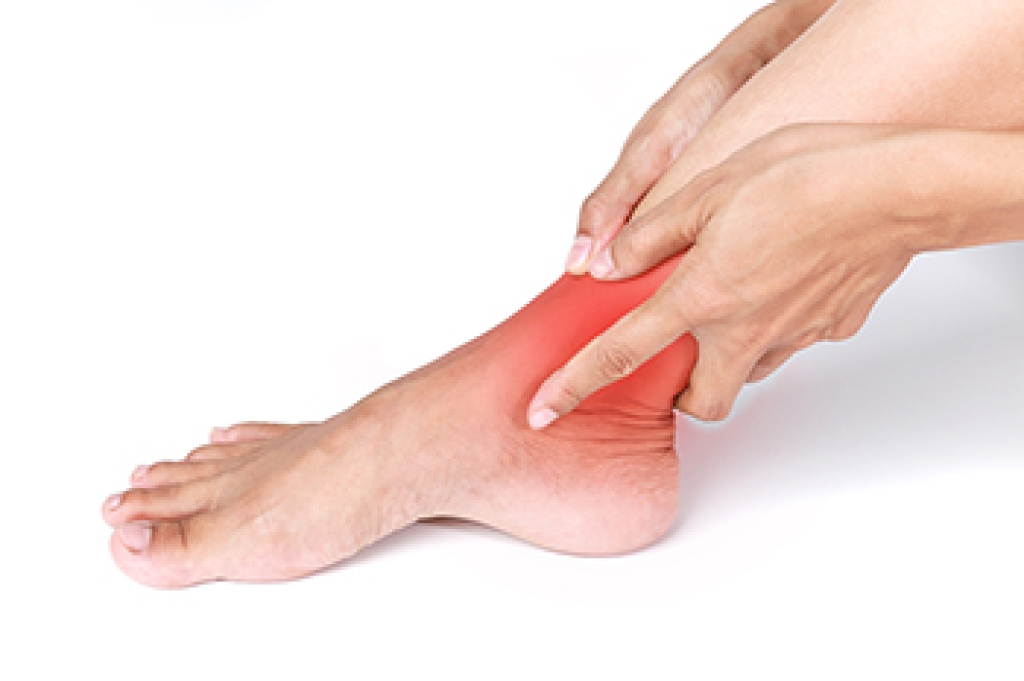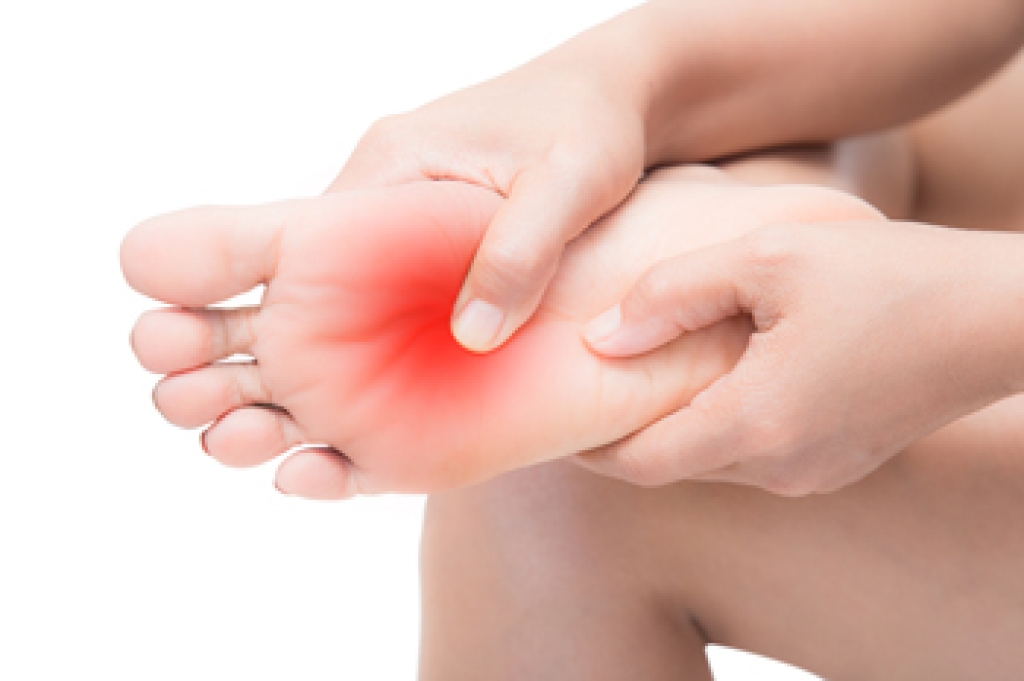
High heels can create a polished look, but they also place extra stress on the feet. As heel height increases, more body weight shifts toward the front of the foot. This added pressure affects the toes and the ball of the foot with every step. A narrow toe box squeezes the toes together, making normal movement more difficult. High heels that lack proper support also reduce stability and increase strain on muscles and joints. This raises the risk of bunions, corns, and calluses, along with increasing the chances of an ankle sprain. Some people notice burning, numbness, or swelling after long periods of standing or while walking in high heels.
Choosing high heels carefully helps reduce stress on the feet without giving up style. A proper fit is one of the most important features. High heels that are too tight or too loose increase pressure and friction. Open-toe styles provide extra room for the toes and reduce crowding. Lower heels place less weight on the front of the foot than very high styles. A wider heel also improves balance and spreads weight more evenly. A less dramatic slope from heel to toe places less strain on the foot and ankle. Small design changes can make high heels more comfortable while helping protect the feet.
When foot pain continues from wearing high heels, a podiatrist can identify the cause and recommend the most effective treatment. An examination can determine whether pain comes from irritated joints, strained soft tissues, or changes in foot structure. Treatment includes custom orthotics, padding to reduce pressure, and care for corns or calluses. A podiatrist also treats bunions, hammertoes, and other problems before they become more severe. If you have foot pain after wearing high heels, it is suggested that you schedule an appointment with a podiatrist for effective relief tips and guidance on choosing high heels suited to your needs.
High heels have a history of causing foot and ankle problems. If you have any concerns about your feet or ankles, contact Paul Potach, DPM from Illinois . Our practitioner can provide the care you need to keep you pain-free and on your feet.
Effects of High Heels on the Feet
High heels are popular shoes among women because of their many styles and societal appeal. Despite this, high heels can still cause many health problems if worn too frequently.
Which Parts of My Body Will Be Affected by High Heels?
- Ankle Joints
- Achilles Tendon – May shorten and stiffen with prolonged wear
- Balls of the Feet
- Knees – Heels cause the knees to bend constantly, creating stress on them
- Back – They decrease the spine’s ability to absorb shock, which may lead to back pain. The vertebrae of the lower back may compress.
What Kinds of Foot Problems Can Develop from Wearing High Heels?
- Corns
- Calluses
- Hammertoe
- Bunions
- Morton’s Neuroma
- Plantar Fasciitis
How Can I Still Wear High Heels and Maintain Foot Health?
If you want to wear high heeled shoes, make sure that you are not wearing them every day, as this will help prevent long term physical problems. Try wearing thicker heels as opposed to stilettos to distribute weight more evenly across the feet. Always make sure you are wearing the proper shoes for the right occasion, such as sneakers for exercising. If you walk to work, try carrying your heels with you and changing into them once you arrive at work. Adding inserts to your heels can help cushion your feet and absorb shock. Full foot inserts or metatarsal pads are available.
If you have any questions, please feel free to contact our offices located in Wheeling and Berwyn, IL . We offer the newest diagnostic and treatment technologies for all your foot care needs.