Foot Problems Linked to Diabetes

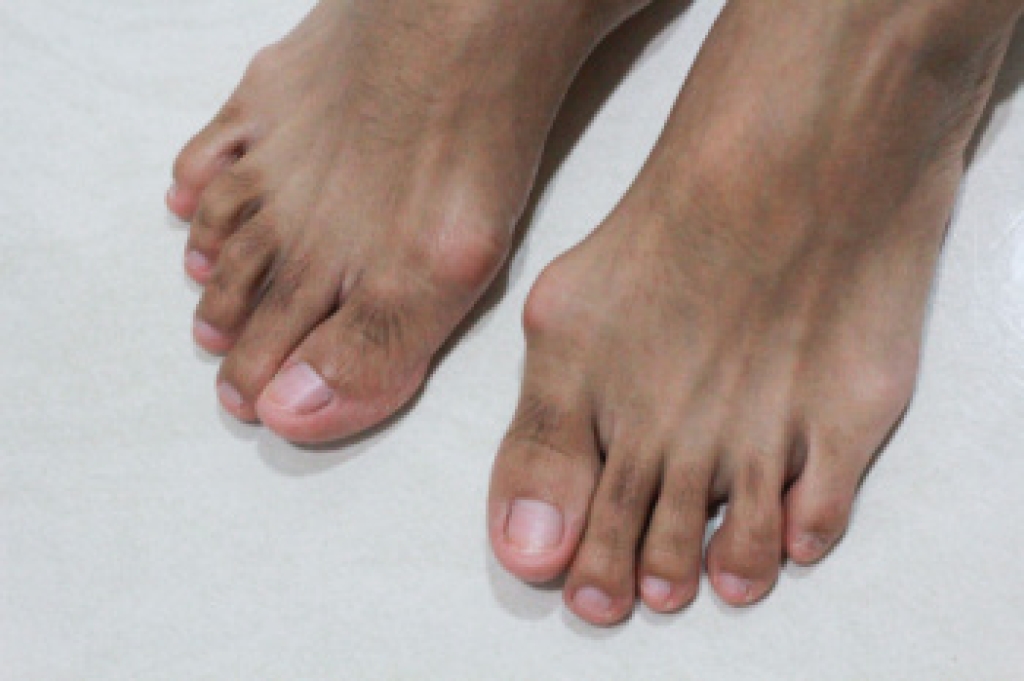
Diabetes can affect the feet in many ways, often developing slowly and without obvious symptoms, at first. High blood sugar levels can damage nerves, leading to diabetic neuropathy, which causes numbness, tingling, burning, or loss of sensation. When you cannot feel pain or pressure normally, small injuries may go unnoticed and become more serious. Diabetes also affects circulation, reducing blood flow to the feet and making it harder for cuts, blisters, or sores to heal. Dry, cracked skin, thickened nails, calluses, and changes in foot shape can also occur as the disease progresses. One of the most serious complications is the development of foot ulcers, which can become infected, if not treated promptly. Regular foot checks, wearing proper footwear, and early intervention from a podiatrist can help prevent complications and protect long-term foot health. If you have diabetes, it is suggested that you see a podiatrist for foot checks on a regular basis.

Diabetic foot care is important in preventing foot ailments such as ulcers. If you are suffering from diabetes or have any other concerns about your feet, contact Paul Potach, DPM from Illinois . Our practitioner can provide the care you need to keep you pain-free and on your feet.

Diabetic Foot Care

Diabetes affects millions of people every year. The condition can damage blood vessels in many parts of the body, especially the feet. Because of this, taking care of your feet is essential if you have diabetes, and having a podiatrist help monitor your foot health is highly recommended.

The Importance of Caring for Your Feet

  • Routinely inspect your feet for bruises or sores.
  • Wear socks that fit your feet comfortably.
  • Wear comfortable shoes that provide adequate support.

Patients with diabetes should have their doctor monitor their blood levels, as blood sugar levels play such a huge role in diabetic care. Monitoring these levels on a regular basis is highly advised.

It is always best to inform your healthcare professional of any concerns you may have regarding your feet, especially for diabetic patients. Early treatment and routine foot examinations are keys to maintaining proper health, especially because severe complications can arise if proper treatment is not applied.

If you have any questions, please feel free to contact our offices located in Wheeling and Berwyn, IL . We offer the newest diagnostic and treatment technologies for all your foot care needs.
Read more about Diabetic Foot Care

Foot Blister Causes

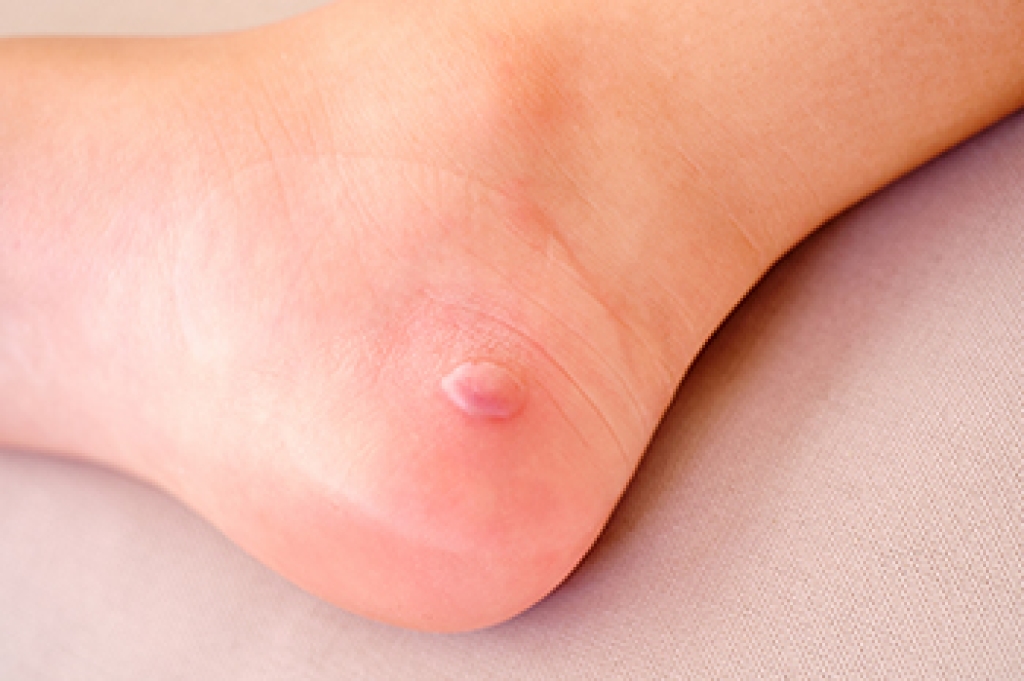
Foot blisters are fluid filled sacs that form when friction, pressure, and heat damage the outer layers of skin. They commonly develop from wearing tight boots or shoes that rub against the foot during walking or prolonged standing. Excess moisture from sweating can soften the skin, making it more vulnerable to friction and blister formation. Dirty feet may increase irritation and allow bacteria to weaken the skin barrier. Additionally, excess heat from activity or poorly ventilated footwear can further aggravate the skin and contribute to blister development. Symptoms often include redness, pain, swelling, and a pocket of clear fluid that makes walking uncomfortable. A podiatrist can help by safely treating blisters, preventing infection, and recommending proper footwear and hygiene practices. Guidance on moisture control and skin protection can reduce future problems. If foot blisters are affecting comfort or mobility, it is suggested that you schedule a podiatry appointment for professional care and effective prevention tips.

Blisters may appear as a single bubble or in a cluster. They can cause a lot of pain and may be filled with pus, blood, or watery serum. If your feet are hurting, contact Paul Potach, DPM of Illinois . Our practitioner can provide the care you need to keep you pain-free and on your feet.

Foot Blisters

Foot blisters are often the result of friction. This happens due to the constant rubbing from shoes, which can lead to pain.

What Are Foot Blisters?

A foot blister is a small fluid-filled pocket that forms on the upper-most layer of the skin. Blisters are filled with clear fluid and can lead to blood drainage or pus if the area becomes infected.

Symptoms

(Blister symptoms may vary depending on what is causing them)

  • Bubble of skin filled with fluid
  • Redness
  • Moderate to severe pain
  • Itching

Prevention & Treatment

In order to prevent blisters, you should be sure to wear comfortable shoes with socks that cushion your feet and absorb sweat. Breaking a blister open may increase your chances of developing an infection. However, if your blister breaks, you should wash the area with soap and water immediately and then apply a bandage to the affected area. If your blisters cause severe pain it is important that you call your podiatrist right away.

If you have any questions, please feel free to contact our offices located in Wheeling and Berwyn, IL . We offer the newest diagnostic and treatment technologies for all your foot care needs.

Read more about Blisters

Connect With Us