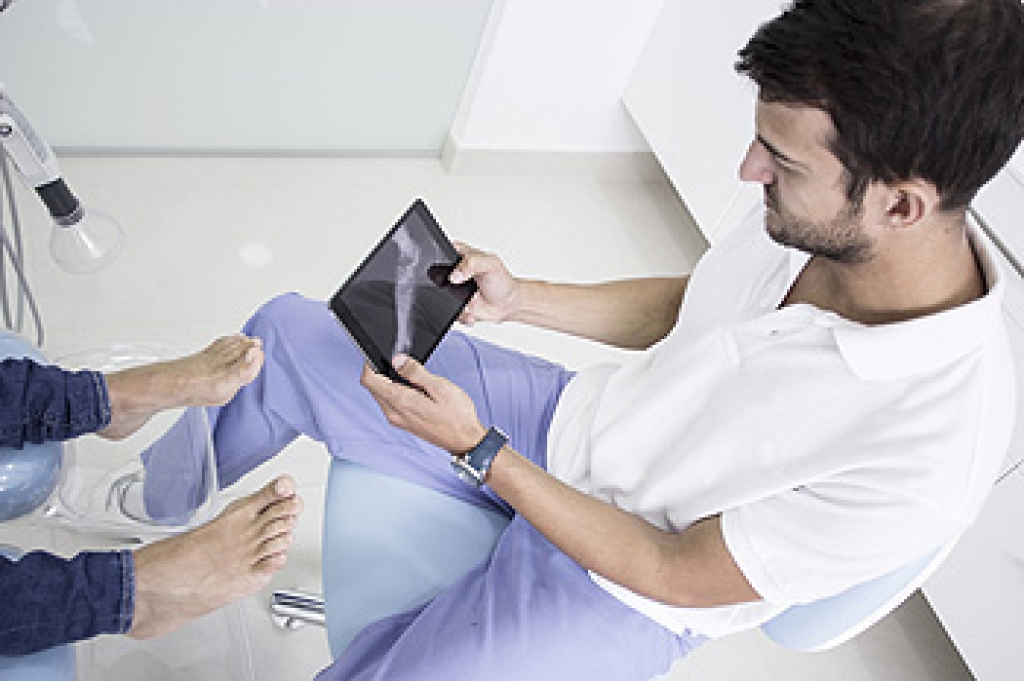
What Is a Podiatrist, and What Do They Treat? 

Podiatrists are physicians that specialize in the foot and ankle. Podiatrists contain the DPM suffix after their name which means they achieved a Doctorate of Podiatric Medicine in medical school. They typically continue their post graduate training with a residency in a clinic or hospital. After passing certain exams, a podiatrist can become board certified by The American Board of Podiatric Medicine. While they treat general foot conditions such as ingrown toenails, heel pain, corns, calluses,  bunions, fungal nail infections and more, some podiatrists also specialize in areas such as wound care, diabetes, sports medicine, arthritis, neuromas, gait analysis and correction, custom orthotics, and bunion removal. Certain podiatrists will even specialize in podiatric surgery and, after passing additional exams, may become certified by the American Board of Foot and Ankle Surgery. If you experience any swelling, severe pain, numbness or tingling, or have an open sore on your feet, it is suggested that you call a podiatrist to seek proper treatment.

If you are dealing with pain in your feet and ankles, you may want to seek help from a podiatrist. Feel free to contact Paul Potach, DPM from Illinois . Our practitioner can provide the care you need to keep you pain-free and on your feet.

What Is a Podiatrist?

A podiatrist is a doctor of podiatric medicine who diagnoses and treats conditions of the foot, ankle, and related structures of the leg. Your podiatrist may specialize in a certain field such as sports medicine, wound care, pediatrics, and diabetic care. Podiatrists have the ability to become board certified through training, clinical experience, and then taking an exam.

What Do Podiatrists Do?

On a daily basis, a podiatrist may perform the following activities:

  • Diagnose foot ailments such as ulcers, tumors, fractures, etc.
  • Use innovative methods to treat conditions
  • Use corrective orthotics, casts, and strappings to correct deformities
  • Correct walking patterns and balance
  • Provide individual consultations to patients

It is very important that you take care of your feet. It’s easy to take having healthy feet for granted, however foot problems tend to be among the most common health conditions. Podiatrists can help diagnose and treat a variety of feet related conditions, so it is crucial that you visit one if you need assistance.

If you have any questions, please feel free to contact our offices located in Wheeling and Berwyn, IL . We offer the newest diagnostic and treatment technologies for all your foot care needs.

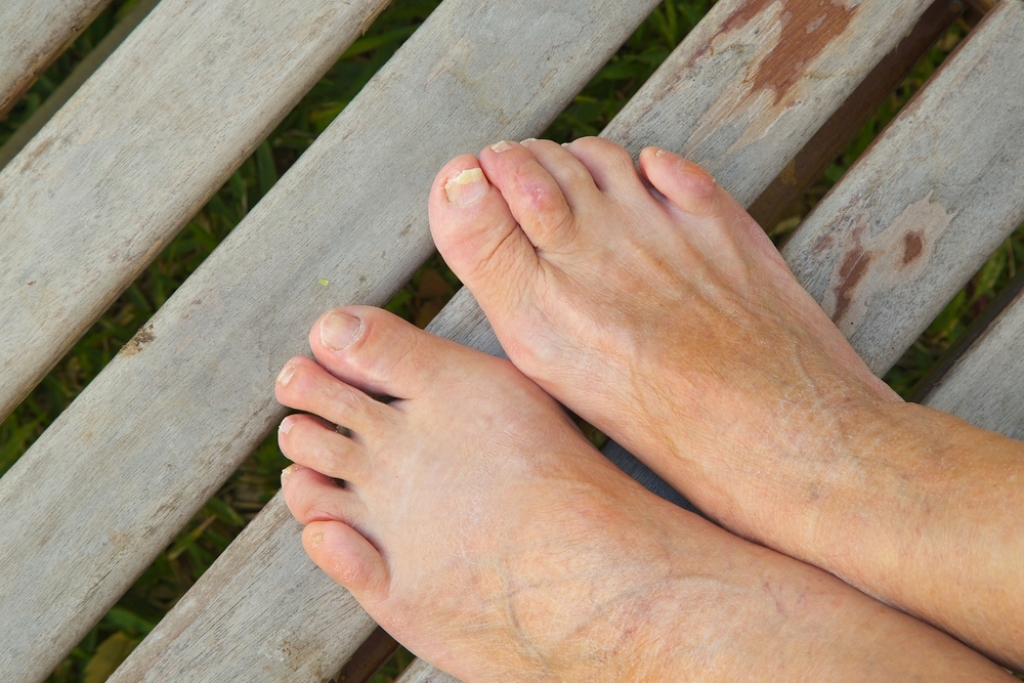
Read more about What is a Podiatrist?

Healthy Foot Tips for Hiking

Whether you are heading out for a quick day hike or plan on camping and hiking for a few days, there are measures that can be implemented to ensure that your feet are up to the task. One of the most common conditions that can wreak havoc on the feet during a hike is developing an ingrown toenail. Having long toenails can cause discomfort, but cutting the nails too short and having them grow into the skin can be excruciating. The best advice to help prevent ingrown toenails is to cut the toenails straight across and not too short before you even leave for a hike. The next step is to make sure that your shoes or hiking boots fit properly by ensuring the back of the heel sits tight to the back of the shoe, but the toes can still wiggle. Once hiking, any discomfort to the feet should be addressed right away. This can be accomplished by changing socks and bandaging any areas that may be forming blisters. After the hike it is important not to pop any blisters on the feet in order to reduce the risk of infection. If you have questions about keeping your feet healthy during your next hike or camping trip, it is suggested that you consult with a podiatrist.

Everyday foot care is very important to prevent infection and other foot ailments. If you need your feet checked, contact Paul Potach, DPM from Illinois . Our practitioner can provide the care you need to keep you pain-free and on your feet.

Everyday Foot Care

Often, people take care of their bodies, face and hair more so than they do for their feet. But the feet are a very important aspect of our bodies, and one that we should pay more attention to. Without our feet, we would not be able to perform most daily tasks.

It is best to check your feet regularly to make sure there are no new bruises or cuts that you may not have noticed before. For dry feet, moisturizer can easily be a remedy and can be applied as often as necessary to the affected areas. Wearing shoes that fit well can also help you maintain good foot health, as well as making it easier to walk and do daily activities without the stress or pain of ill-fitting shoes, high heels, or even flip flops. Wearing clean socks with closed shoes is important to ensure that sweat and bacteria do not accumulate within the shoe. Clean socks help to prevent Athlete’s foot, fungi problems, bad odors, and can absorb sweat.

If you have any questions, please feel free to contact our offices located in Wheeling and Berwyn, IL . We offer the newest diagnostic and treatment technologies for all your foot care needs.

Read more about Every Day Foot Care

Why Do I Have Hammertoes?

Hammertoe is a common foot deformity in which the toes bend downward at the middle joint, creating a hammer-like shape. This deformity typically affects the second, third, or fourth toes and causes pain, discomfort, and joint stiffness. There are many reasons why a hammertoe may develop. Chronically wearing ill-fitting shoes which are too tight, narrow, have excessively high heels, or squeeze your toes together, can contribute to the formation of hammertoes. Hereditary foot differences, having unusually long toe bones, weakness in the muscles of the feet, or injuries can also make hammertoes more likely. Other foot conditions, including bunions and rheumatoid arthritis, may increase your risk of hammertoes. If you notice that your toes are changing in appearance, or if you are experiencing any foot pain, please seek the care of a podiatrist. Treating hammertoes early can help stop or slow their progression.

Hammertoes can be a painful condition to live with. For more information, contact Paul Potach, DPM of Illinois . Our practitioner will answer any of your foot- and ankle-related questions.

Hammertoe

Hammertoe is a foot deformity that occurs due to an imbalance in the muscles, tendons, or ligaments that normally hold the toe straight. It can be caused by the type of shoes you wear, your foot structure, trauma, and certain disease processes.

Symptoms

  • Painful and/or difficult toe movement
  • Swelling
  • Joint stiffness
  • Calluses/Corns
  • Physical deformity

Risk Factors

  • Age – The risk of hammertoe increases with age
  • Sex – Women are more likely to have hammertoe compared to men
  • Toe Length – You are more likely to develop hammertoe if your second toe is longer than your big toe
  • Certain Diseases – Arthritis and diabetes may make you more likely to develop hammertoe

Treatment

If you have hammertoe, you should change into a more comfortable shoe that provides enough room for your toes. Exercises such as picking up marbles may strengthen and stretch your toe muscles. Nevertheless, it is important to seek assistance from a podiatrist in order to determine the severity of your hammertoe and see which treatment option will work best for you.

If you have any questions, please feel free to contact our offices located in Wheeling and Berwyn, IL . We offer the newest diagnostic and treatment technologies for all your foot care needs.
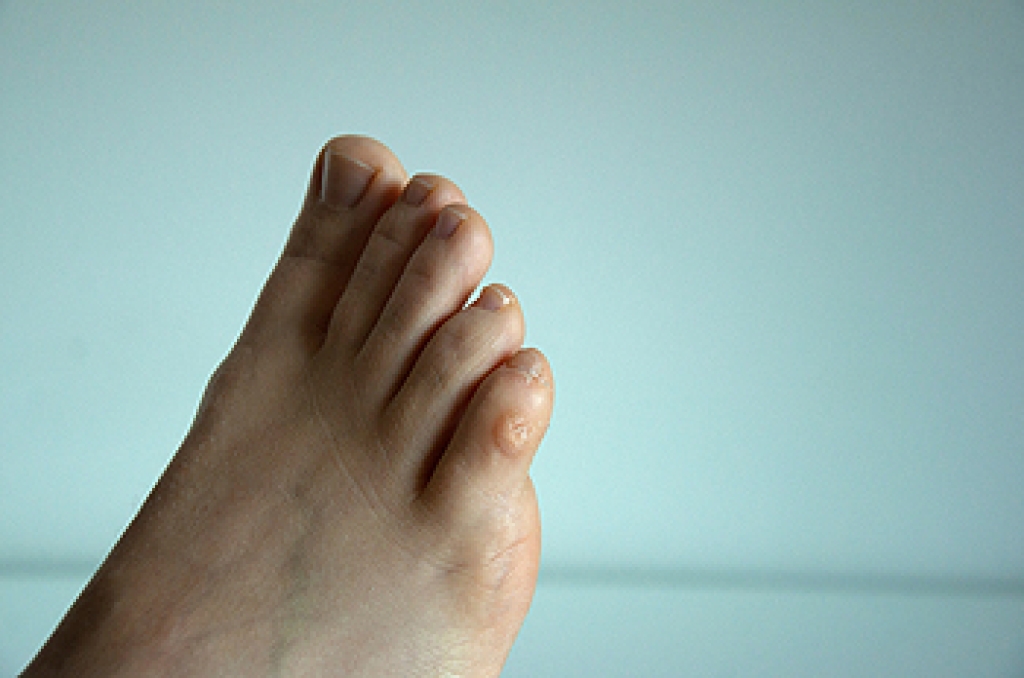
Read more about Hammertoe

Stay Safe While Being Active This Summer

For many, summertime means time to get out and get active. Before trying a new sport or physical activity, be sure to properly stretch and gradually increase intensity to prevent injuries.

If you need treatment for an injury or would like to learn about injury prevention, schedule an appointment.

Are Corns Painful?

The main reason that corns develop is often due to excess friction. This can happen from wearing shoes that do not fit correctly. Corns can form on different parts of the foot. A soft corn is found between the toes, and can cause severe pain and discomfort. A hard corn can develop on the outside of the toe, or on the bottom of the foot. People who are diabetic may have a higher risk of developing an infection with corns. Patients have found mild relief when the affected foot is soaked in warm water, followed by using a pumice stone. It is beneficial to wear shoes that fit properly, as this may help to prevent the onset of corns. If you have a corn on any part of your foot, please consult with a podiatrist who can determine what the best course of treatment is for you.

If you have any concerns regarding your feet and ankles, contact Paul Potach, DPM of Illinois . Our practitioner will treat your foot and ankle needs.

Corns: What Are They? and How Do You Get Rid of Them?
Corns can be described as areas of the skin that have thickened to the point of becoming painful or irritating. They are often layers and layers of the skin that have become dry and rough, and are normally smaller than calluses.

Ways to Prevent Corns
There are many ways to get rid of painful corns such as wearing:

  • Well-fitting socks
  • Comfortable shoes that are not tight around your foot
  • Shoes that offer support

Treating Corns
Treatment of corns involves removing the dead skin that has built up in the specific area of the foot. Consult with Our practitioner to determine the best treatment option for your case of corns.

If you have any questions, please feel free to contact our offices located in Wheeling and Berwyn, IL . We offer the newest diagnostic and treatment technologies for all your foot care needs.

Read more about Corns and Calluses

Connect With Us